Tomorrow, Sorrento Primary School will recognise R U OK? Day, but perhaps the most important message is that checking in with the people around us shouldn’t be something we save for one day each year.
This year’s message, Ask R U OK? Any Day, reminds us that meaningful conversations and genuine connection can happen in the ordinary moments of everyday life.
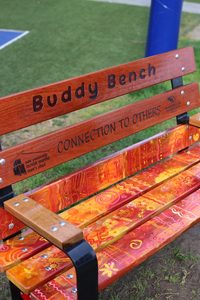
At SPS, much of our approach to wellbeing begins with connection and noticing. We want our children to feel known, valued and supported, to know there are adults they can turn to, and to understand that asking for help is a strength.
We also want children to learn to notice the people around them. A friend who seems quieter than usual. Someone sitting alone. A classmate who isn’t quite themselves. Sometimes an invitation to join in, a small act of kindness, or simply asking “Are you okay?” can make a meaningful difference.
Importantly, children don’t need to have all the answers or take responsibility for fixing someone else’s problems. Their role is to notice, listen, show care and find a trusted adult when someone needs more help.
This fits closely with the wellbeing practices we continue to build at SPS, including Morning Connection, our shared regulation practices, the Purple Pass, wellbeing spaces and opportunities for students to communicate when they need support.
Try it at the dinner table tonight
R U OK? Day can also be a lovely reminder to make a little space for conversation at home.
Rather than simply asking “How was school?”, try choosing one or two of these:
- What was the best part of your day?
- Was there a hard part of your day?
- Who made you laugh today?
- When did you feel happiest today?
- Was there a time today when you felt worried, frustrated or left out?
- What helps you when you’re having a hard day?
- Who are the people you can talk to when something isn’t right?
- How can you tell when one of your friends might not be okay?
- What could you do if you were worried about a friend?
- Is there anything you wish the grown-ups in your life asked you about more often?
You don’t need to ask them all. One good question, followed by genuinely listening to the answer, is enough.
Modelling these conversations ourselves
Perhaps answer the question yourself too.
When children hear the adults in their lives talk appropriately about feelings, challenges and asking for help, we show them that these conversations are a normal part of life.
The important part is keeping what we share age appropriate. We can tell our children that we’ve had a hard day, felt worried or stressed, without sharing adult details or making them responsible for making us feel better.
It can be helpful to tell them what helped:
“I was feeling stressed today, so I talked to a friend and went for a walk. I know what helps me when I feel like this.”
Children are also very good at noticing when the adults around them aren’t quite themselves. Rather than pretending everything is fine, we can acknowledge what they may already be seeing and give them an opportunity to tell us how they feel about it.
“You might have noticed I’m a bit tired and quiet today. I’ve had a hard day. Has that made you feel worried about me?”
If it has, we can acknowledge their worry while keeping the responsibility with us:
“I understand why you might feel worried. I have people I can talk to and things I can do to help myself. It’s my job to look after my grown up problems, not yours.”
And importantly:
“Even when I’m tired, busy or having a hard day, you can still come to me with your problems. I’m still your grown up, and I’m here to help you.”
This teaches children something important: we can notice and care about how someone else is feeling without becoming responsible for fixing it. Difficult feelings are safe to talk about, and asking for support is something adults do too.
Ultimately, we want our students to grow up knowing both sides of the message:
It is okay to ask, “Are you okay?”
And it is okay to say, “Actually, I’m not.”
Because connection, kindness and checking in matter every day.
More for families
R U OK? has a range of free, age-appropriate resources for primary school children and families, including videos, conversation activities and resources for different year levels.
R U OK? Education and Primary School Resources
With Happiness,
Charlotte Wilson
Mental Health and Wellbeing Leader