
As we reach the final few days of term, there is often a feeling across a school that everyone is tired, children, staff and parents alike!
For years as a classroom teacher, I have always found it interesting how reliably this happens. Somehow, just as we reach the end of a term, you can feel it. Children’s concentration becomes harder to sustain, emotions sit a little closer to the surface, friendships can require more navigating and those little illnesses seem to spread and take hold more easily.
This year, as both an educator and a parent of a school aged child, I’m seeing that end-of-term fatigue from both sides. At home, mornings can become harder, emotions bigger, sibling arguments more frequent and even getting those good, restorative nights of sleep can sometimes become more difficult.
The holidays always seem to arrive right when our children need that pause.
And perhaps that’s exactly the point. School holidays aren’t simply a gap between periods of learning. They are an important opportunity for children’s brains and bodies to recover, reset and recharge.
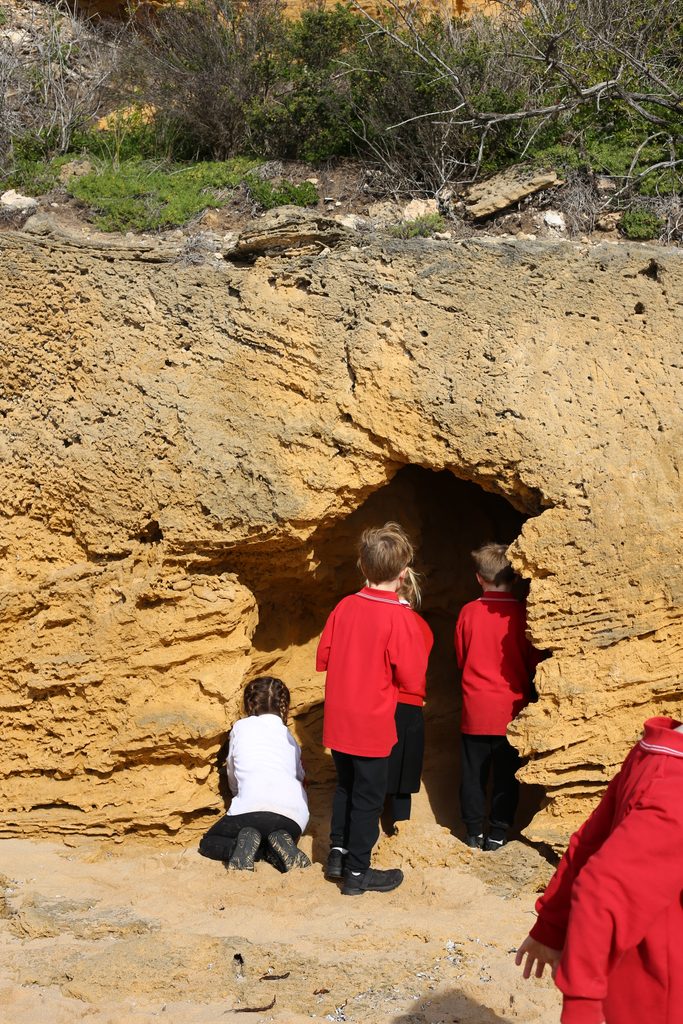
A school week asks a lot of a child
When we think about school, we naturally think about reading, writing, maths and all of the wonderful learning that happens throughout the day. But children are using so much more than just their academic brain.
Across a single school day, a child may need to listen, concentrate, remember instructions, transition between activities, manage impulses, navigate friendships, solve problems, tolerate frustration, cope with noise and stimulation, share spaces and resources, manage disappointment and continually adjust to what is happening around them.
And then there are the physical demands too: early mornings, getting ready and out the door, moving between classrooms and activities, PE, lunchtime play and, for many children, after school sport, swimming, dance or other activities.
Then they wake up and do it all again the next day. And the next.
Across a whole term, that’s an enormous amount of physical, cognitive, social and emotional energy.
So by the final week, it makes sense that we might see a drop in capacity. A child who is usually flexible may become less flexible. A small disappointment might produce a much bigger response. There might be more conflict, tiredness or a greater need for reassurance and connection.
Sometimes what looks like challenging behaviour at the end of term can simply be a tired brain and body trying to keep going to the finish line.
Leave some space for nothing
One of the wonderful things about school holidays is that, for a little while, children get to step away from that constant cycle.
It can be tempting to see the holidays stretching ahead and immediately start filling the calendar. But after a busy term, our children don’t necessarily need every day to be exciting or organised.
Slow mornings in pyjamas, playing outside, kicking a footy, riding bikes, drawing, building Lego for hours, reading, spending time with family members, wandering along the beach or simply having nowhere to be can be incredibly restorative.
Annd when the inevitable “I’m boooooored!” arrives, we don’t always have to rush in and solve it. Unstructured time gives children opportunities to imagine, create, problem solve and decide for themselves what to do next. Often the best play begins after they’ve moved through that initial discomfort of having nothing planned for them.
Getting outside and moving can be part of this too, without becoming another scheduled activity. A bike ride, backyard cricket, swimming, climbing, walking the dog or jumping on the trampoline all give children the chance to move simply because their bodies want to.
And these holidays, with the weather warming up, the days getting longer and that unmistakable feeling of spring in the air, it’s the perfect opportunity to shift back into our more outdoorsy selves: longer afternoons outside, bare feet, fresh air and a little less rushing from one thing to the next.
Leaving some white space gives children’s brains and bodies an opportunity to come down from weeks of learning, stimulation, social demands and expectations.
We don’t have to be our children’s entertainment committee for the entire holidays!
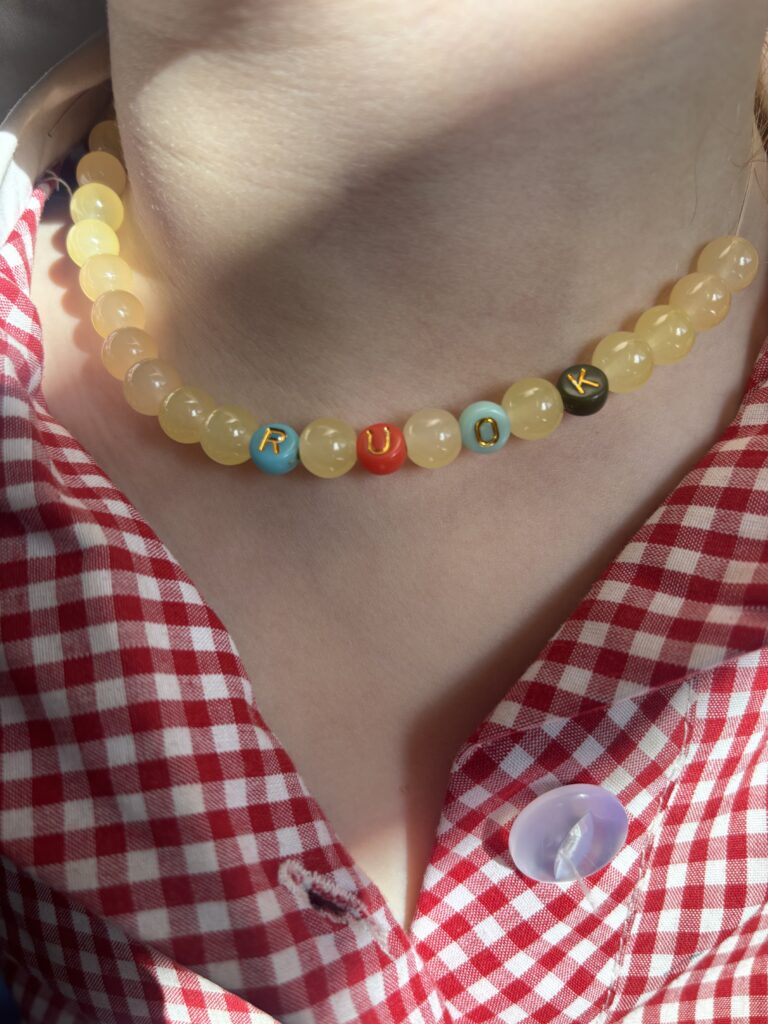
Think balance rather than perfection
Screens will undoubtedly be part of many children’s holidays, and they don’t need to become another source of parental guilt or constant battles.
Rather than focusing only on how many minutes children spend on screens, it can be helpful to zoom out and look at the whole day.
Have they moved their body? Been outside? Connected with someone? Played? Had some quiet time? Had opportunities to create and imagine?
There is room for movies and muddy feet.
Make space for connection
Perhaps one of the greatest things a break from school gives families is simply a little more time together without quite so much rushing.
And connection doesn’t need to mean elaborate family outings. It might be pancakes in the morning, walking the dog together, kicking a footy, cooking dinner, playing a board game, reading beside each other or having a chat in the car.
Small moments of undivided attention and connection can do an enormous amount to refill a child’s cup.
Rest doesn’t have to mean losing all routine
While holidays provide an important break from the structure and demands of school, children’s brains still benefit from predictability.
Of course, holidays are supposed to feel different! Bedtimes might be a little later, mornings slower, there might be sleepovers, holidays away and days when lunch happens at the beach. We certainly don’t need to recreate the school timetable at home.
But keeping a few familiar anchors can help:
- a reasonably consistent sleep and wake rhythm
- familiar morning routines — breakfast, getting dressed, brushing teeth
- familiar evening routines — dinner, bath or shower, reading and bedtime
- regular meals and snacks
- some movement and outdoor time
- predictable expectations around screens
- some idea of what the day ahead might look like – think maybe a schedule on the whiteboard or a visual calendar
These don’t need to happen at exactly the same time they do during the school term. It’s more about keeping some of the rhythms children already know while allowing plenty of flexibility around them.
I like to think of it as flexibility within familiarity.
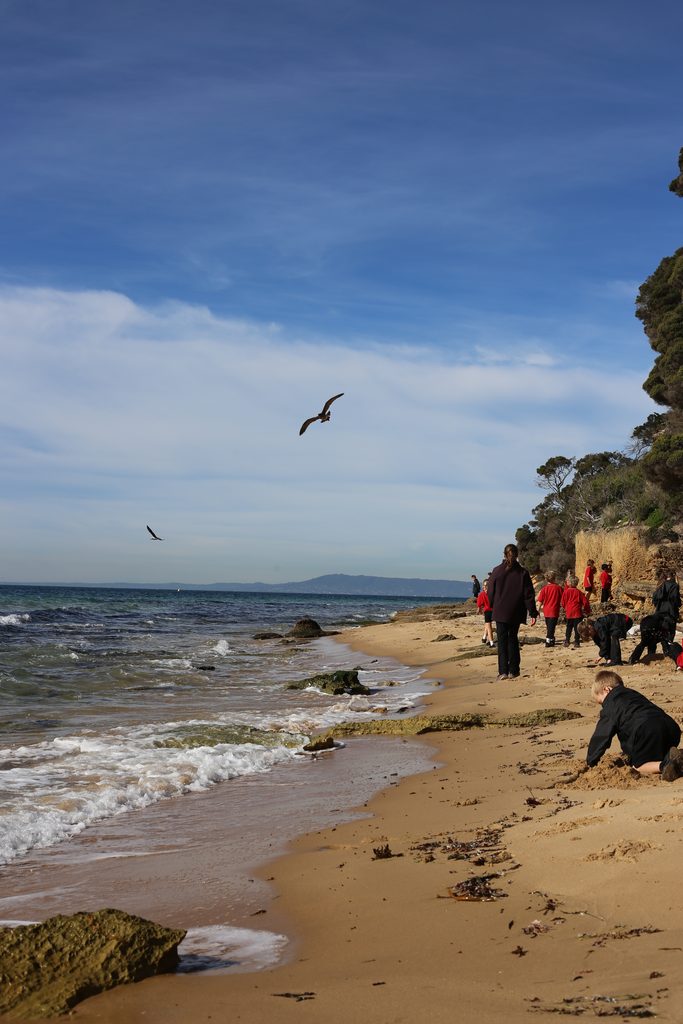
And as the holidays come to an end…
Just as we see children’s capacity running low at the end of a school term, we can sometimes see another little wobble towards the end of a long break.
If bedtimes have gradually become much later, mornings have shifted and the usual rhythms of family life have disappeared, the return to school can feel like a big adjustment.
Children don’t generally come to us and say, “I’m feeling unsettled about transitioning back to school.”
They show us.
We might see bigger emotions, irritability, difficulty falling asleep, increased negotiating or resistance when school is mentioned.
Rather than suddenly reinstating every routine the night before school returns, the final few days can be a chance to gently bring some familiar rhythms back. Moving sleep a little closer to school times, returning to familiar morning and bedtime routines, talking casually about the return and perhaps getting the school bag or lunchbox ready together.
It doesn’t need to become a big countdown. We’re simply helping their brains move gradually from one rhythm into another.
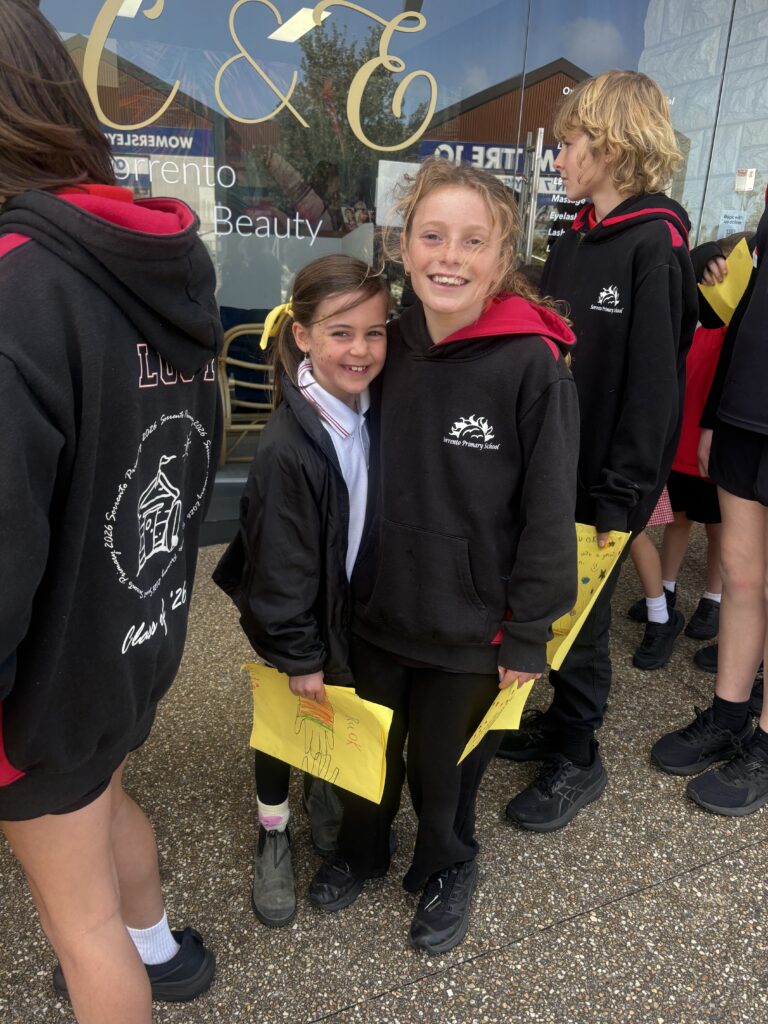
Rest and rhythm
So if your child seems particularly tired, emotional, reactive or simply done this week, perhaps we can view some of that behaviour through the lens of capacity.
Boundaries and expectations still matter. But we can hold those boundaries while recognising when children have less left in the tank to meet them.
Then, when the holidays arrive:
Let there be slow mornings.
Let there be outside time.
Let there be connection.
Let there be boredom.
Let there be days when not very much happens at all.
And amongst all that freedom, hold onto just enough of the familiar rhythms that help children feel settled and secure.
Children, and adults actually, need both rest and rhythm.
They don’t need us to fill every moment of their holidays, and they don’t need us to abandon every routine either. They need the chance to exhale, reconnect, play, sleep, move and simply be, so that when it’s time to return, they have something left in the tank again.
Wishing all of our Sorrento families a happy, fun and restorative school holiday break.
With happiness,
Charlotte Wilson
Mental Health & Wellbeing Leader